
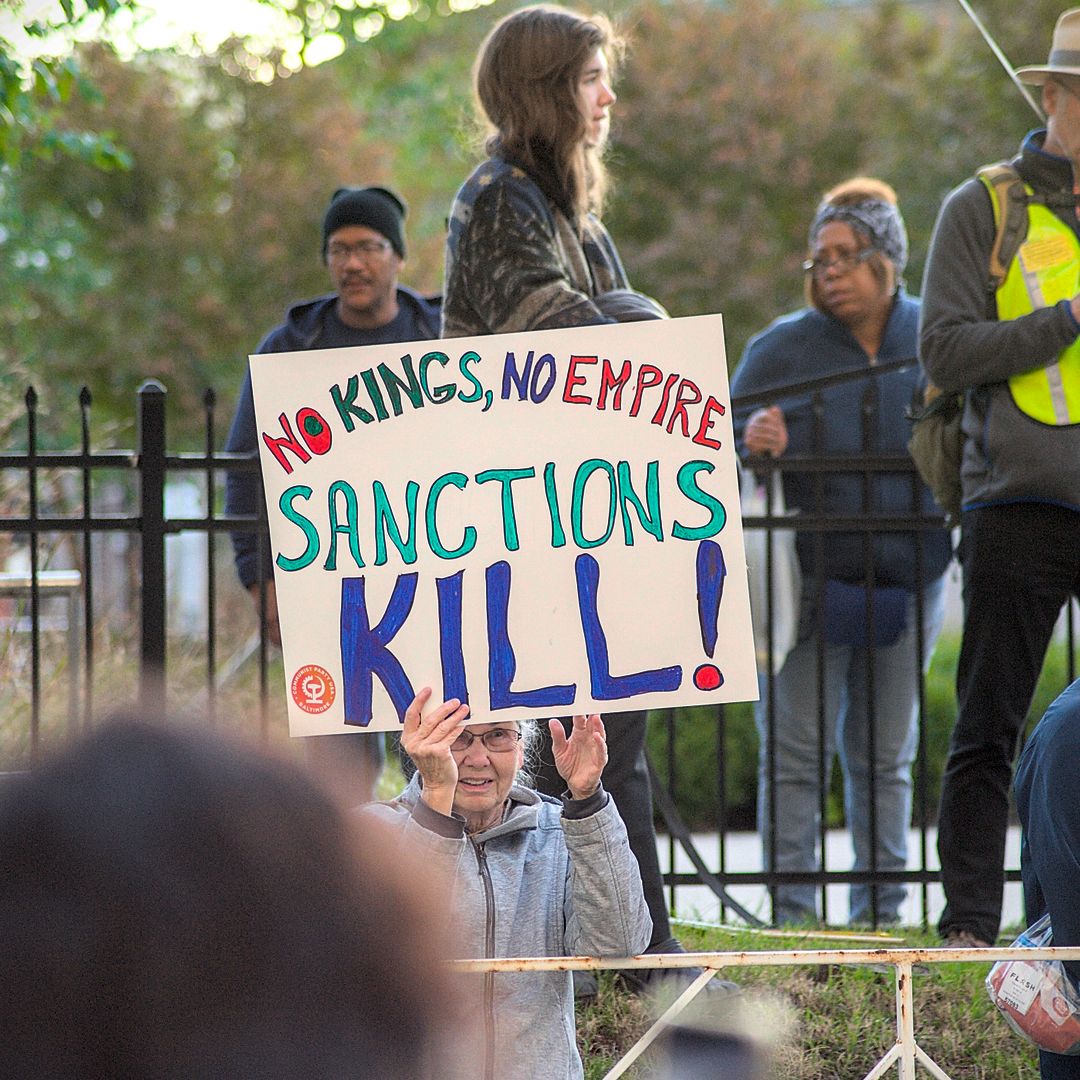

Foreign-owned small enterprises operating within South Korea must align their commercial activities with expanding export control regulations. Strict trade restrictions targeting specific jurisdictions require careful screening of supply chains and financial transactions.
Who is Affected by These Trade Restrictions
International trading companies, logistics providers, and foreign-owned manufacturing firms situated in South Korea face direct compliance obligations under the current trade restrictions. Entities dealing in dual-use items (commercial goods that can also serve military applications) must evaluate their customer base to prevent unauthorized transshipments.
Foreign investors managing cross-border operations must also coordinate closely with internal Labor Law advisors to ensure personnel do not inadvertently handle restricted technical data. Maintaining administrative transparency protects the enterprise from severe secondary trade penalties enforced by domestic authorities.
Regulatory Framework and Effective Implementation Dates
The Ministry of Justice Korea and related trade agencies enforce prohibitions aligned with multilateral export control regimes. These rules restrict the shipment of high-technology equipment, heavy machinery, and specific chemical compounds without prior government authorization.
- Export Item Controls: Mandatory licensing for industrial machinery, semiconductors, and specialized sensors destined for restricted destinations.
- Financial Intermediary Rules: Heightened scrutiny on cross-border wire transfers involving designated banking entities.
- Effective Scope: Immediate application to all registered foreign direct investment entities and domestic branch offices.
Required Documentation and Statutory Deadlines
Businesses engaged in international commerce must compile detailed end-user certificates and shipping manifests for audit review. Submitting accurate documentation prevents severe administrative delays at major ports of entry.
| Document Type | Issuing Authority | Submission Deadline |
|---|---|---|
| End-User Statement | Importer / Foreign Buyer | Prior to export license application |
| Dual-Use License Request | Ministry of Trade, Industry and Energy | At least thirty days before shipment |
| Annual Compliance Report | National Tax Service Korea | Coinciding with annual Corporate Tax filing |
Operational Filing and Verification Process
Compliance officers must screen prospective international partners against updated restricted party lists before executing binding supply agreements. This verification step prevents accidental violations of domestic trade embargoes.
Proper financial accounting ensures that all outgoing payments align with permitted trade categories. Business owners should consult platforms like Finance to review updated transaction monitoring standards and liquidity controls.
Penalties, Enforcement, and Statutory Exceptions
Non-compliance with export control mandates results in substantial monetary fines and potential suspension of commercial operating licenses. Severe violations may also complicate personal Income Tax audits and corporate governance reviews.
- Administrative Fines: Imposition of financial penalties proportional to the commercial value of the unauthorized shipment.
- License Suspension: Temporary revocation of export-import privileges for repeat regulatory offenders.
- Humanitarian Exceptions: Narrowly defined waivers for essential medical supplies and food products verified by government agencies.
Official Government Resources
Corporate managers should consult primary regulatory publications to verify shifting trade classifications and compliance guidelines. Authoritative guidance is maintained directly by the National Tax Service Korea (https://www.nts.go.kr/english) and the Ministry of Justice Korea (https://www.moj.go.kr/moj/index.do).
When to Engage Professional Legal Counsel
Navigating intricate trade restrictions requires specialized legal oversight when supply chain contracts involve multi-jurisdictional elements. Retaining qualified trade attorneys helps mitigate corporate liability during routine regulatory inspections.
Business operators facing sudden investigative inquiries or license denials must seek immediate professional guidance to formulate an appropriate administrative response. Proactive legal consultation ensures long-term operational stability within the Korean commercial market.
자주 묻는 질문 (FAQ)
Which foreign-owned businesses in South Korea must comply with export restrictions?
Any registered foreign-owned enterprise, branch office, or trading company handling industrial equipment, electronics, or dual-use goods must comply with current trade restrictions.
How do export controls impact corporate reporting obligations?
Companies must submit end-user certificates and maintain detailed shipping records that are subject to audit alongside regular corporate tax filings.
What government portals provide official regulatory updates?
Official guidance and statutory notices are published regularly by the National Tax Service Korea and the Ministry of Justice Korea.
Are humanitarian shipments exempt from trade restrictions?
Certain approved medical and food supplies qualify for narrow exemptions, provided the importer secures prior authorization from the relevant trade ministry.
What are the consequences of failing to screen international buyers?
Violations can trigger severe administrative fines, suspension of export privileges, and heightened scrutiny on corporate tax and financial accounts.
Get in Touch
Have questions about your specific situation? Reach out anytime for a personal consultation.