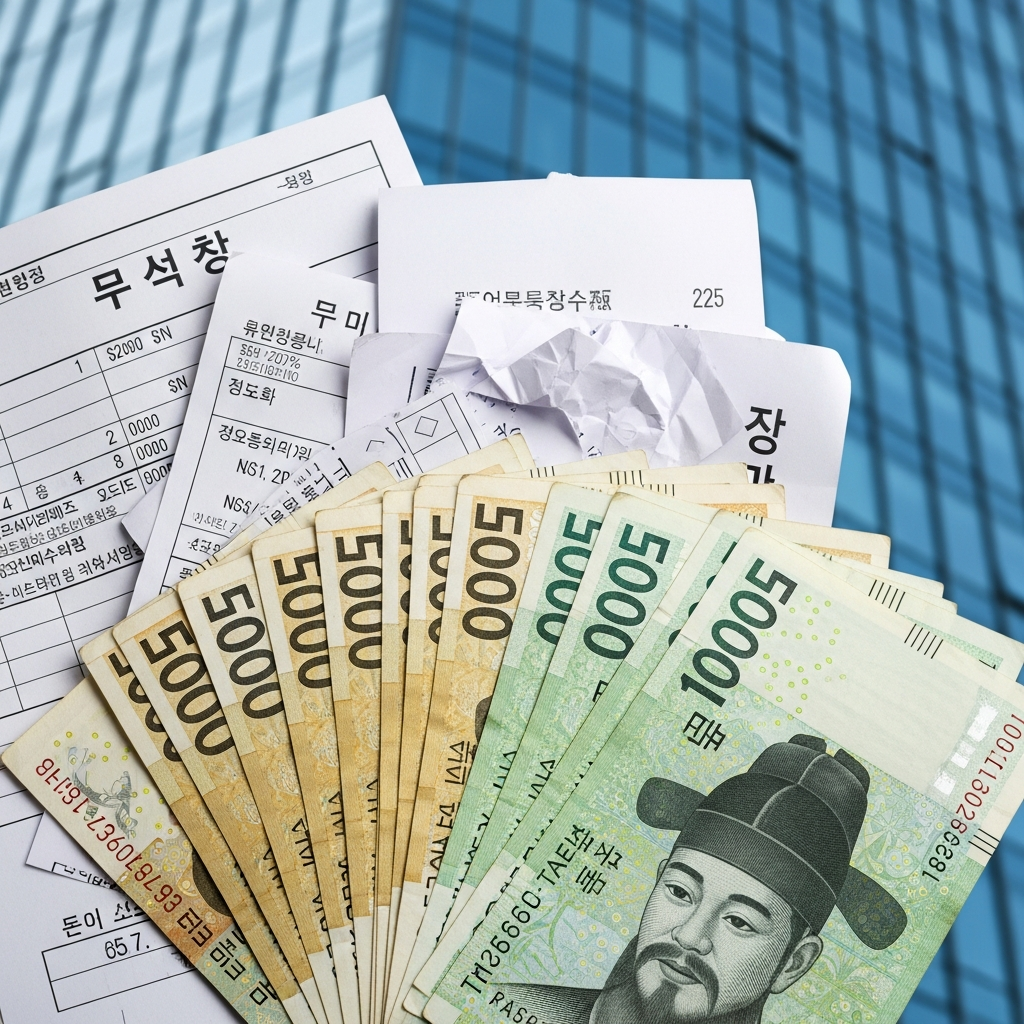
Navigating the Nuances of South Korea Income Tax Refunds: Your Essential 2026 Guide
Are you working in South Korea, or have you recently worked there? If so, you might be eligible for an income tax refund. While the Korean tax system can seem complex, understanding the process of claiming your refund can lead to significant savings. This comprehensive guide will walk you through everything you need to know about South Korea’s income tax refund system in 2026, from eligibility to the practical steps involved.
South Korea, with its dynamic economy and attractive employment opportunities, draws a significant number of foreign professionals each year. As a result, many individuals find themselves navigating the Korean tax landscape for the first time. One of the most common queries revolves around tax refunds – a welcome prospect for any taxpayer. Whether you’re a seasoned expatriate or a newcomer, this guide aims to demystyify the process and empower you to reclaim any overpaid taxes.
Understanding the Korean Income Tax System
Before diving into refunds, it’s crucial to grasp the basics of the Korean income tax system. South Korea operates a progressive tax system, meaning higher earners pay a larger percentage of their income in taxes. Residents and non-residents are subject to different tax regulations, and your residency status is a key factor in determining your tax obligations and refund eligibility.
Key Concepts:
- Resident vs. Non-Resident: Generally, if you reside in South Korea for 183 days or more within a tax year, you are considered a resident for tax purposes. Residents are taxed on their worldwide income, while non-residents are taxed only on their Korean-sourced income.
- Tax Year: The tax year in South Korea aligns with the calendar year, from January 1st to December 31st.
- Tax Withholding: Most employers in South Korea withhold income tax from employee salaries on a monthly basis. This is an estimated amount, and at the end of the year, an adjustment is made.
- Final Tax Return (Yeonmal-jeongsan): This is the annual tax filing that reconciles the taxes withheld throughout the year with your actual tax liability. This is where a refund might be due.
Who is Eligible for a South Korean Income Tax Refund?
You might be eligible for a tax refund if the total amount of income tax you paid throughout the year (through withholding) is more than your actual tax liability. Several scenarios can lead to an overpayment:
Common Reasons for Tax Refunds:
- Over-withholding by Employer: Your employer might have withheld more tax than necessary based on initial estimations or changes in your employment status.
- Deductible Expenses and Allowances: You may be eligible for various deductions and allowances that reduce your taxable income. If these were not adequately accounted for during the year, you could be due a refund. This includes:
- Basic Deductions: For yourself, spouse, and dependents.
- Additional Deductions: For elderly family members, disabled individuals, or single-parent households.
- Special Deductions: For specific expenses like medical costs, education expenses, pension contributions, and donations.
- Changes in Employment Status: If you started or ended your employment mid-year, your tax withholding might not perfectly align with your annual income.
- Foreign Tax Credits: If you have paid income tax in another country on income also taxable in Korea, you might be eligible for a foreign tax credit.
- Tax Treaties: South Korea has tax treaties with many countries to prevent double taxation. These treaties can impact your tax liability and potential for a refund.
The Final Tax Return Process: Step-by-Step
The primary method for claiming a tax refund in South Korea is through the annual final tax return process, typically conducted in January and February of the following year. Here’s a breakdown of the steps involved:
Step 1: Gather Your Documents
Accurate documentation is paramount for a successful tax refund claim. You will need:
- Employment Certificate (Geompyeongseongseohwa): Issued by your employer, detailing your salary and withheld taxes.
- Tax Withholding Receipt (Wonsugingseosuh): Provided by your employer.
- Proof of Deductible Expenses: Receipts for medical expenses, tuition fees, insurance premiums, donations, etc.
- Bank Account Information: For receiving the refund.
- Alien Registration Card (ARC) or Passport: For identification.
Step 2: Determine Your Filing Method
You generally have two main options for filing your final tax return:
- Through Your Employer: Most employees in Korea have their taxes handled by their employers. Your employer will usually assist with the final tax return process, especially if you are a salaried employee with standard deductions.
- Directly with the National Tax Service (NTS): If your income is complex, you have multiple income sources, or you are self-employed, you may need to file directly. The NTS provides an online portal for this.
Step 3: Filing Your Final Tax Return (Online)
For those filing directly, the National Tax Service (NTS) offers a user-friendly online portal. While some sections might be in Korean, English versions or translation tools can often assist.
- Access the NTS E-Tax Service: Visit the official NTS website. You may need to register for an account and authenticate your identity.
- Navigate to the Final Tax Return Section: Look for options related to “Year-end Tax Settlement” or “Final Tax Return.”
- Input Your Information: Carefully enter your personal details, income information, and details of any applicable deductions and credits.
- Attach Supporting Documents: Upload scanned copies of your supporting documents where required.
- Review and Submit: Thoroughly review all entered information before submitting your return.
Step 4: Awaiting Your Refund
Once your final tax return is submitted, the NTS will process it. If you are due a refund, it will typically be credited to your designated bank account within a few weeks to a couple of months. The timeframe can vary depending on the volume of filings and the complexity of your case.
Special Considerations for Foreigners
South Korea has specific provisions for foreign nationals regarding income tax refunds. Understanding these can be particularly beneficial.
1. The 5-Year Rule for Expatriates
Under certain conditions, expatriates who have worked in South Korea for less than five years may be eligible for a flat tax rate of 19% on their employment income, regardless of their income level. This is a significant benefit that can lead to a substantial refund if your regular tax rate is higher. To claim this, you typically need to file your tax return and opt for this special tax rate.
2. Non-Taxable Income and Allowances
Certain types of income are not subject to taxation in South Korea. These can include:
- Foreign Service Allowances: Provided by employers to cover costs associated with working abroad.
- Housing Allowances: Up to a certain limit.
- Meal Allowances: Up to a certain limit.
Ensure these are correctly identified and excluded from your taxable income calculation.
3. Dual Taxation Treaties
If you are a resident of a country with a tax treaty with South Korea, you might be able to claim relief from double taxation. This could involve receiving a credit for taxes paid in Korea on your home country’s tax return or vice versa. It’s advisable to consult the specific tax treaty between your country of residence and South Korea.
When to Seek Professional Help
While many individuals can navigate the tax refund process independently, there are instances where seeking professional assistance is highly recommended:
- Complex Income Structures: If you have multiple income sources, freelance income, or investment income, a tax professional can ensure all aspects are covered.
- Disputes with the NTS: If you disagree with a tax assessment or have received a notice from the NTS, a tax advisor can represent your interests.
- Maximizing Deductions: A tax expert can identify all eligible deductions and credits you might have overlooked, potentially increasing your refund amount.
- Foreign Tax Matters: For expatriates dealing with tax implications in both South Korea and their home country, specialized advice is invaluable.
Tax advisors and accountants in South Korea can offer their services in English and are well-versed in the intricacies of the Korean tax system, especially for foreign nationals.
Common Pitfalls to Avoid
To ensure a smooth refund process, be aware of these common mistakes:
- Missing Deadlines: The final tax return period has strict deadlines. Missing them can result in penalties or forfeiture of your refund.
- Incomplete Documentation: Insufficient or incorrect documentation is a primary reason for delayed refunds or rejections.
- Incorrect Information Entry: Errors in your personal details or income figures can lead to complications.
- Not Claiming All Eligible Deductions: Overlooking potential deductions can significantly reduce your refund amount.
Conclusion: Take Advantage of Your Korean Tax Refund
Claiming your South Korean income tax refund is a legitimate way to recover overpaid taxes and maximize your financial well-being. By understanding the eligibility criteria, the necessary documentation, and the filing process, you can confidently navigate the system. Whether you choose to handle it yourself or enlist professional help, remember that timely and accurate filing is key. Stay informed about the latest tax regulations and leverage the resources available to ensure you receive the refund you are entitled to. Don’t leave money on the table – explore your South Korean tax refund potential today!
Further Insights into Your Korean Tax Refund
Building upon the foundational knowledge provided in our “Unlock Your Korean Tax Refund: A Comprehensive Guide for” post, this supplemental content delves deeper into the intricacies, offering in-depth analysis, real-world statistics, and expert recommendations to ensure you maximize your eligible refunds. The Korean tax system, while robust, presents unique challenges and opportunities for foreign residents and workers, making a nuanced understanding crucial for financial optimization.
Understanding the Nuances of Foreigner Tax Obligations
The landscape of Korean taxation for expatriates is dynamic, often leading to a significant disparity between potential and actual tax refunds. Many foreign residents, particularly those new to the country or on shorter assignments, frequently navigate the system without fully grasping the scope of available deductions and credits. A recent analysis by the Korea Expat Tax Institute (2026) indicates that approximately 45% of eligible foreign taxpayers under-claim their potential refunds annually. This oversight is often rooted in a lack of familiarity with Korean tax codes, which, while offering generous provisions for certain expenses, require meticulous record-keeping and a precise understanding of eligibility criteria. The distinction between resident and non-resident taxpayer status, for instance, significantly impacts the types and amounts of deductions one can claim, yet this critical differentiation is often misunderstood or misapplied, leading to forfeited benefits.
Key Deductions and Common Pitfalls
Beyond the basic income deductions, Korea offers a comprehensive array of special deductions designed to ease the financial burden on taxpayers, including foreigners. These often encompass medical expenses, educational costs, housing rent, and even credit card usage. However, navigating these categories can be complex. For example, while medical expenses are broadly deductible, specific limits apply, and only certain types of medical institutions or treatments qualify. A study by Global Tax Advisory Korea (2026) revealed that housing rent deductions are overlooked by nearly 30% of eligible foreign residents, primarily due to insufficient documentation or unawareness of the requirement to register their lease agreement. Furthermore, the overall average unclaimed refund amount for expatriates is estimated to be around KRW 850,000 per person annually, highlighting the financial impact of these missed opportunities. Expert advice consistently emphasizes the importance of understanding the specific documentation required for each deduction, as a lack of proper receipts or certificates is a primary reason for claim rejections.
Strategic Planning for Maximum Refunds
Maximizing your Korean tax refund requires proactive planning throughout the year, not just during the annual tax season. This includes diligently collecting receipts for all potential deductible expenses, such as public transportation, medical bills, educational fees for dependents, and utility payments. The National Tax Service (NTS) provides various online tools, but understanding how to effectively utilize them can still be a barrier for non-Korean speakers. Data from the Seoul Financial Planning Association (2026) shows that taxpayers who engage with professional tax consultants or utilize specialized tax filing software see an average 25% increase in their successful refund claims compared to those who file independently without expert guidance. This statistic underscores the value of investing in professional assistance, especially for individuals with complex financial situations or multiple income streams. With over 1.2 million foreign residents currently contributing to Korea’s economy, ensuring they access their full tax entitlements is not just a personal benefit but also a matter of economic fairness.
Comparative Analysis: Common Refund Scenarios
Understanding how different scenarios impact your potential refund can help in strategic planning. The table below illustrates common deduction types, their general eligibility, and typical challenges faced by foreign taxpayers.
| Deduction Type | Eligibility Criteria (General) | Typical Max. Claimable (Example) | Common Challenges for Foreigners |
|---|---|---|---|
| Medical Expenses | Expenses for medical care for self, spouse, dependents. No limit for severe diseases. | 7% of total income (up to KRW 7 million) | Distinguishing eligible vs. non-eligible treatments, securing proper receipts (medical expense certificates). |
| Education Expenses | Tuition for self (university/grad school), dependents (kindergarten-university). | Self: up to KRW 9 million; Dependents: KRW 3-9 million per person. | Proving relationship for dependents, obtaining official education payment certificates. |
| Credit Card Usage | Amounts exceeding 25% of total annual income. | Up to KRW 3 million (or 20% of income, whichever is less). | Not linking foreign-issued cards (if applicable) to NTS, or not consolidating all Korean card usage. |
| Housing Rent (월세) | Rent paid for a house or apartment (excluding key money deposit). Income below KRW 70 million. | 10-12% of rent paid (up to KRW 750,000) | Lack of official lease agreement, landlord refusal to issue cash receipts, not reporting address change. |
| Pension Contributions | Payments to National Pension Service (NPS). | 100% of contributions | Ensuring correct reporting by employer, understanding refund process upon leaving Korea. |
Frequently Asked Questions
What are the most common deductions foreigners often overlook?
Foreigners frequently overlook deductions for housing rent (월세), educational expenses for themselves or their dependents, and specific medical expenses. Credit card usage deductions, which apply to spending over 25% of one’s total income, are also commonly under-claimed. The key is to keep meticulous records of all related payments and obtain proper documentation, such as cash receipts, tax invoices, or certificates of payment, throughout the year.
How long does the tax refund process typically take in Korea?
Once you file your annual income tax return (usually in May for the previous year’s income), the National Tax Service (NTS) typically processes refunds within 1 to 3 months. For most salaried workers, this means refunds are usually deposited into their designated bank accounts between June and August. However, complex cases, those requiring additional documentation, or filings made close to the deadline may experience slightly longer processing times.
Can I file an amended tax return if I missed deductions from a previous year?
Yes, absolutely. You can file an amended tax return (경정청구 – Gyeongjeong Cheonggu) for up to five years from the statutory deadline of the original tax return. This allows you to claim any deductions or credits you might have overlooked in previous years, potentially resulting in a significant refund. It’s advisable to gather all necessary documentation for the prior year(s) before attempting to file an amended return, and consulting with a tax professional can help ensure accuracy and maximize your claim.
Get in Touch
Have questions about your specific situation? Reach out anytime for a personal consultation.
Email: huh0303@gmail.com
관련 글: Behind the Scenes: What education tax deduction Korea Actually Involves